























You finally decided to get a new carry-on. You've done your research, read the reviews, and picked out what looks like the perfect bag. But here's the thing — most travelers, even experienced ones, focus on what a bag has instead of what it shouldn't have.
And when you're 50, 60, or 70 years old with a bad back, creaky knees, or medications that need to stay with you at all times, the wrong carry-on isn't just inconvenient — it can make your entire trip harder.
I've flown hundreds of times. And I've watched fellow senior travelers struggle with bags that were too heavy, too stiff, too complicated, or simply not allowed on the plane. This article is about avoiding those mistakes before you spend your money.
Here are 11 features to avoid — and what to look for instead.
1. Non-Removable Lithium Batteries (Smart Luggage)
Smart luggage with built-in USB chargers and GPS trackers looks amazing in the store. But if the battery can't be removed by hand — no tools — the bag is banned from every U.S. airline, in both the cabin and the hold.
This isn't a new rule. The FAA and TSA have enforced this since 2018 due to lithium battery fire risk, and in 2026 enforcement is absolute. Travelers have had to abandon expensive smart suitcases right at the gate with no refund.
What to do instead: If you love the charging feature, buy a regular carry-on and add a portable power bank — you control it, you remove it, and it goes in your personal bag.
📢 Affiliate Disclosure: This article contains affiliate links. If you purchase through our links, we may earn a small commission at no extra cost to you. We only recommend products we genuinely believe are useful for senior travelers.
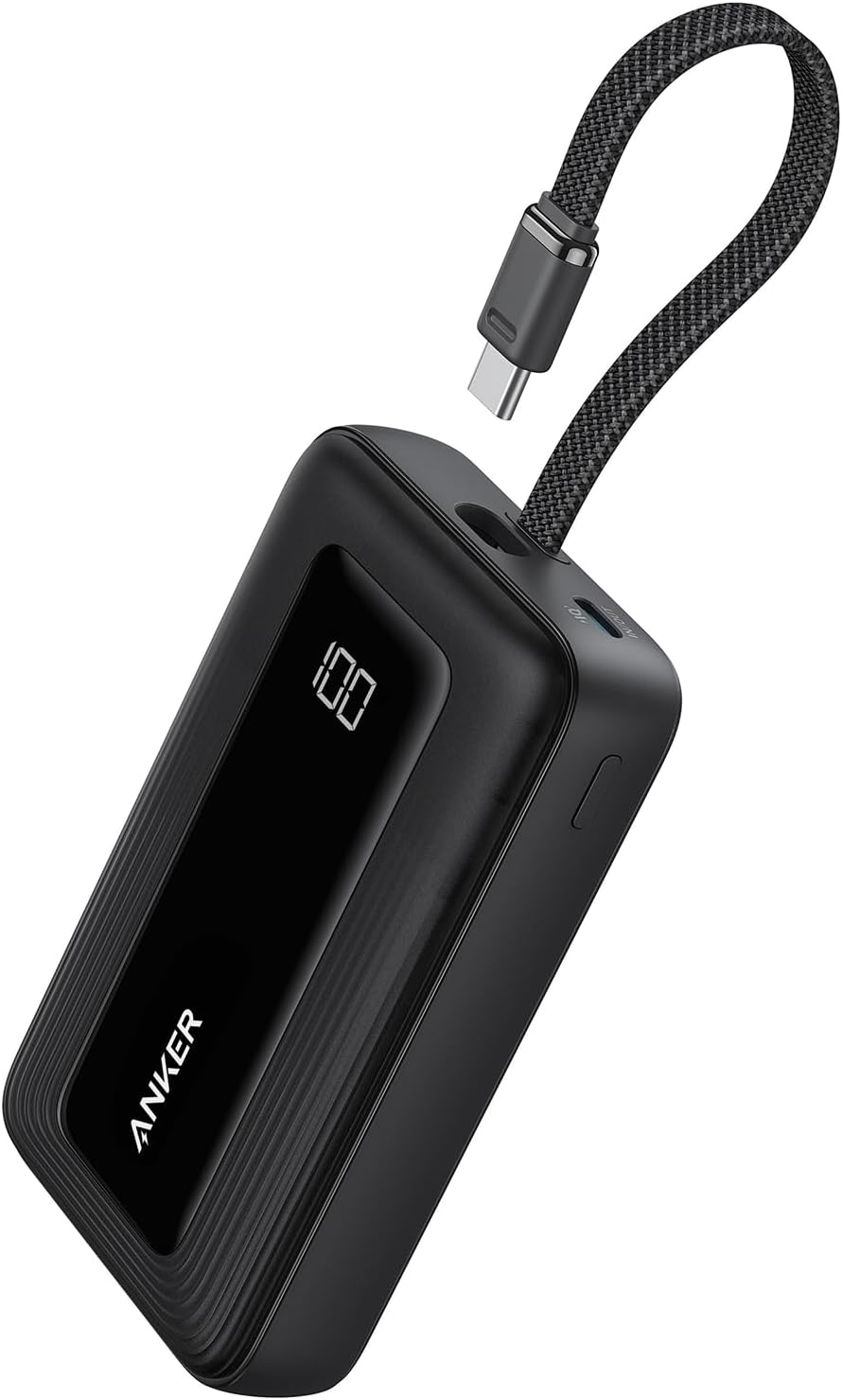
A power bank like the Portable Charger Power Bank with Built-In Cables is TSA-approved, fits in your personal item, and keeps your phone, tablet, and hearing aids charged all day — without risking your luggage at the gate.
2. Bags That Exceed 22 x 14 x 9 Inches (Including Wheels and Handles)
Most major U.S. airlines — American, Delta, United, JetBlue, and Alaska — cap carry-ons at 22 x 14 x 9 inches, including wheels and handles. That last part is what catches travelers off guard.
In 2026, airlines have moved from the honor system to active enforcement at the gate. Airlines are now measuring bags at the gate instead of relying on the honor system, and some are doing it with automated scanners. A bag that was gate-checked once without a problem might cost you $50–$150 the next time.
What to do instead: Measure your bag fully packed, wheels down, handle fully extended. If it's borderline, it will fail. Buy something you know fits comfortably inside the limits.
3. Bags With No Spinner Wheels (or Only 2 Wheels)
Two-wheeled bags — the kind you tilt and drag — put all the weight on one arm and one shoulder. Over a long airport walk, that creates real strain on your wrist, elbow, and back.
For senior travelers especially, four spinner wheels (360-degree rotation) change everything. You push the bag beside you instead of pulling it, keeping your body upright and your joints happy.
What to look for: Four spinner wheels that rotate fully in all directions. Test them in the store — they should glide without resistance on tile or hard floors.
A bag like the Carry-On Luggage with Spinner Wheels is airline-approved at 21 inches, has a built-in TSA lock, and includes a USB port for easy charging — without the built-in battery that gets confiscated.
4. Bags That Are Too Heavy When Empty
This one surprises a lot of people. Some carry-ons weigh 8, 9, even 10 pounds completely empty. Add your clothes, medications, toiletries, and electronics — and you're lifting 20+ pounds in and out of the overhead bin on every flight.
For international flights especially, airlines often impose a 15- to 22-pound cabin weight limit. Start with a heavy bag and you've already used up half your allowance before packing a single item.
What to look for: A hardshell polycarbonate bag in the 5–7 pound range when empty. Always weigh your packed bag at home before you leave.
A Portable Digital Luggage Scale is one of the best $15 investments you'll make. It weighs up to 110 lbs and fits in your palm — use it at home, use it at the hotel before your return flight, and never pay an overweight fee again.
5. Hard-to-Reach or Confusing Zipper Systems
Some carry-ons have multiple zipper compartments going in different directions, compression straps that are hard to buckle, and pockets placed in positions that require awkward bending or twisting to reach.
For travelers with arthritis, stiff fingers, or limited shoulder mobility, a complicated bag adds daily frustration. You shouldn't need two hands and a tutorial to open your own suitcase.
What to look for: Large, smooth zipper pulls you can grip easily. A main compartment that opens flat. Accessible pockets on the front or side — not tucked underneath or behind straps.
6. No TSA-Approved Lock
Bags without a TSA-approved lock either can't be locked at all, or they use a lock that TSA agents will cut off if they need to inspect the bag — leaving your carry-on unsecured for the rest of your trip.
TSA-approved locks use a special key system that agents can open without destroying your lock. You get security, and TSA gets access when they need it.
What to look for: Look for a built-in combination lock marked "TSA approved" on the lock itself. Avoid bags with flimsy zipper pulls that can be opened with a pen — a known vulnerability in cheaper luggage.
7. Soft-Sided Bags Without Structure
Soft bags that collapse when empty look like they'll be flexible and easy to manage. In reality, they're harder to stand upright, they don't protect your medications or electronics, and they're nearly impossible to pack neatly — especially if you're laying out items in an organized way for TSA.
What to look for: A semi-rigid or hardshell frame that holds its shape when upright. This makes packing easier, protects your contents, and the bag stands on its own while you get your boarding pass out.
8. No Interior Compression Straps or Dividers
Without internal straps, everything shifts when the bag is moved. Clothes get wrinkled. Medications slide around. Toiletries can work their way to the top and spill when you open the bag after a bumpy flight.
Interior organization is especially important for senior travelers who pack medications, medical devices, or fragile items alongside clothing.
What to look for: At minimum, one set of cross-straps on each side of the main compartment. A divided interior with a zippered mesh pocket is ideal.
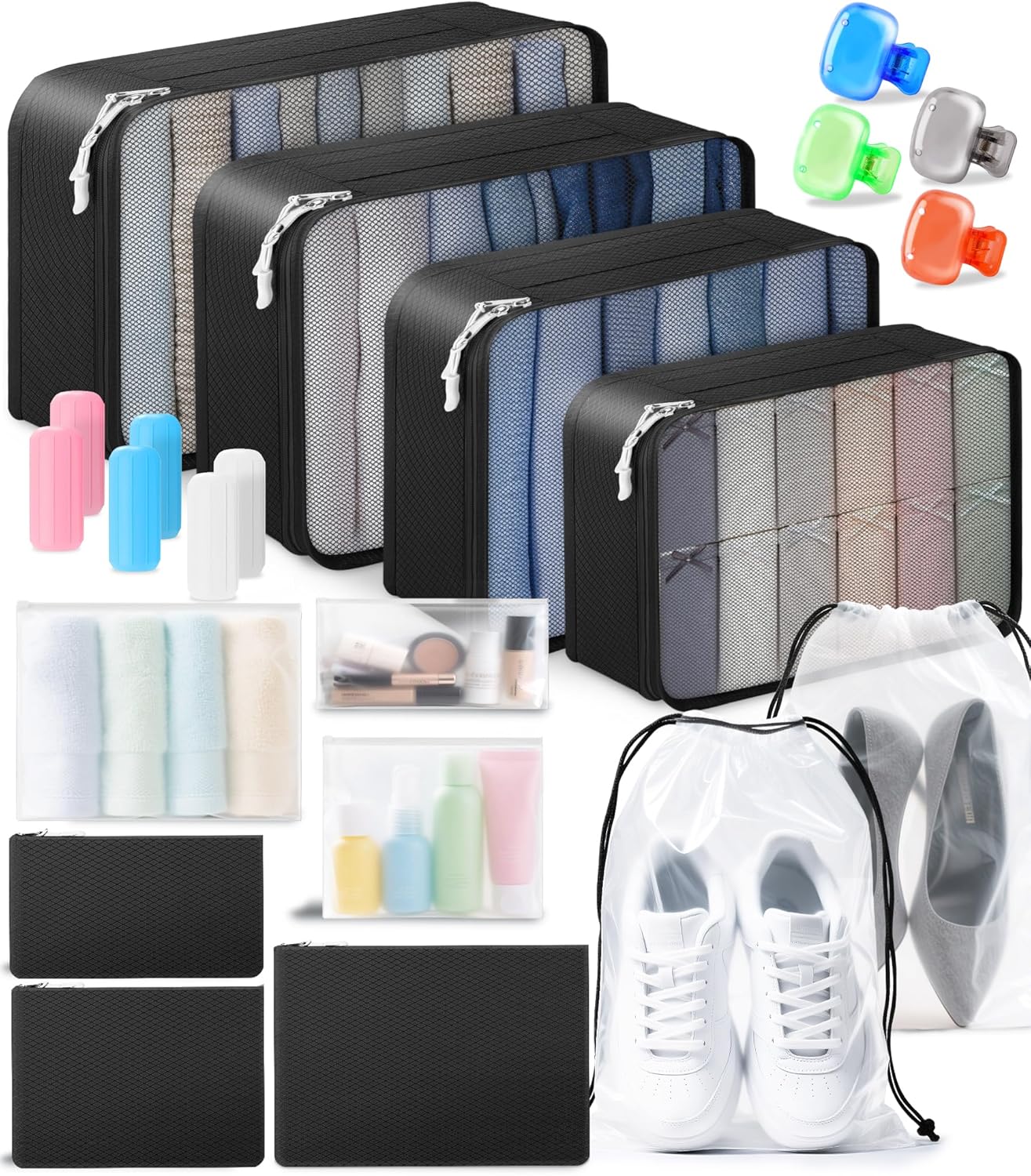
If your current bag lacks organization, All-in-One Packing Cubes can solve this immediately. This 22-piece set includes cubes, cosmetic bags, and zipper pouches — and transforms even the messiest suitcase into an organized, easy-to-navigate system.
9. Expandable Sections You'll Actually Use
Expandable luggage sounds like a bonus — more room when you need it. But here's the problem: when expanded, most carry-ons no longer fit within airline size limits. Make sure your bag fits within the limit when fully extended. Don't expand expandable bags at the airport.
Gate agents are measuring bags in 2026 and an expanded carry-on will either be gate-checked (with a fee) or you'll be asked to repack on the floor of the gate area — not ideal for anyone.
What to do instead: Only use the expansion feature when the bag will be checked. For carry-on use, treat the bag as if the expansion doesn't exist.
10. Bags With Only One Exterior Pocket
At airport security, you need to access certain things quickly: your boarding pass, your ID, your medications, your phone, your liquids bag. If everything goes into one large main compartment, you're unpacking half your bag just to find your passport at the border.
What to look for: At least one front pocket for documents and boarding passes, one quick-access side pocket for your phone and ID, and ideally a separate top grab handle that's easy to grip with one hand.
11. Bags That Don't Come With a Warranty or Quality Guarantee
Budget carry-ons from unknown brands may look identical to premium options — until a wheel breaks in hour three of your trip, or a zipper fails on day one. Replacing luggage mid-trip is expensive and stressful.
What to look for: Brands that offer at least a one-year manufacturer's warranty, and ideally a lifetime guarantee. Read reviews specifically from older travelers about durability after multiple trips.
The Bottom Line
Buying the right carry-on isn't just about size and style. For senior travelers, it's about ease of use, joint-friendly design, compliance with current airline rules, and gear that protects your medications and valuables every step of the way.
Avoid these 11 features, and you'll save yourself from gate fees, back pain, and mid-trip headaches. Your carry-on should work for you — not against you.
✈️ Still not sure what to pack inside it? Grab our free Senior Travel Packing Checklist — it covers both domestic and international trips in plain language, no guessing required.


